
Questioning Models for Torture Victims
Date of Information: 04/16/2026
Check back soon; we update these materials frequently.
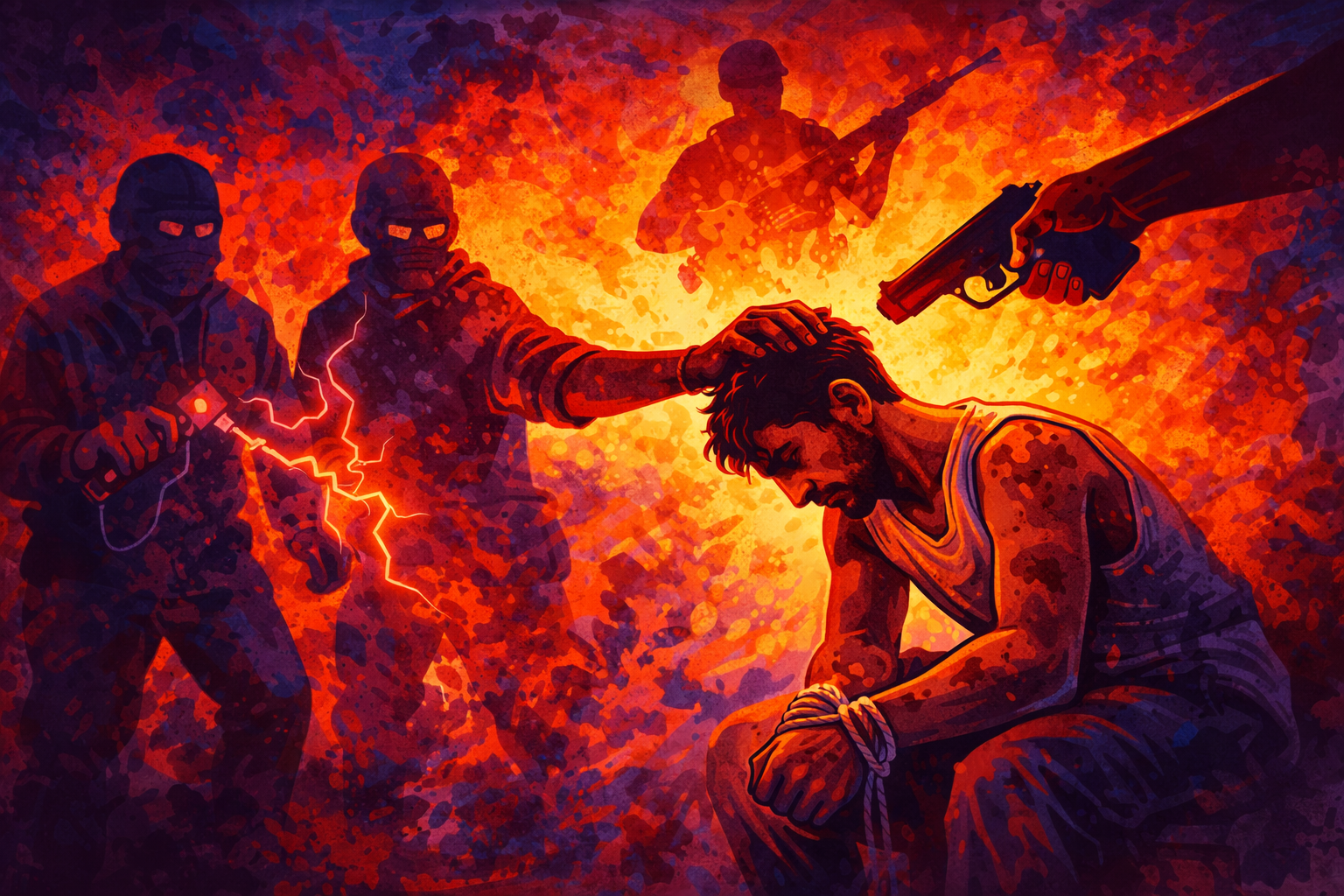
Introduction
These are not generic intake questions. They are structured question banks for asylum and related humanitarian cases involving torture, severe abuse, detention, sexual violence, forced disappearance, and other forms of deliberate state or quasi-state violence.
The point is simple: if you do not ask the right questions, you will not get the right facts. And if you do not get the right facts, you will build a weak record even in a strong case.
How to Use These Question Sets
Use this page as a structured checklist over multiple meetings. Start broad, then narrow. Let the client tell the story in their own words first. Then use these question sets to fill gaps, clarify sequence, separate incidents, and develop facts that are legally indispensable.
Some questions will feel repetitive. Good. Repetition is often how missing details surface.
Some questions will feel uncomfortable. Also good. Torture cases are uncomfortable. Avoiding the hard questions is how attorneys miss sexual abuse, mock executions, genital torture, forced nudity, sleep deprivation, threats to family, and the long-term effects that explain later inconsistencies.
This page is about what you should ask; for advice on how to ask it, consult Charles International Law’s research guide on debriefing torture. For advice on how to properly document what you learn, consult Charles International Law’s research guide on documenting torture.
Model One: The Incident-by-Incident Method
This is the basic structure you should use for each separate torture event.
For each incident, work through the same sequence:
How did it start?
Who took you?
Where did they take you?
What happened first?
What happened next?
What specific methods were used?
What was said?
How long did it last?
Who witnessed it?
What injuries or symptoms followed?
How did it end?
What happened afterward?
Do not let multiple incidents collapse into one blurred narrative. If there were three arrests, separate them. If there was one arrest but repeated abuse over several days, separate those episodes too.
Model Two: The Detention-to-Release Method
This model works especially well when the client was detained or disappeared.
Move through the experience in order:
Seizure
Who took you?
Were they police, soldiers, intelligence officers, prison guards, militia, or something else?
Were they in uniform?
Did they identify themselves?
Did they show a warrant or accuse you of a specific crime?
Were you blindfolded, hooded, handcuffed, or tied?
Were you taken from your home, street, workplace, school, protest, checkpoint, or another location?
Who saw you being taken?
Were family members or neighbors present?
Did they beat you at the time of arrest?
Did they take your phone, documents, money, or other property?
Transport
How were you transported?
Were you alone or with other detainees?
Were you struck, threatened, or insulted during transport?
Were you blindfolded or able to see where you were going?
Do you remember sounds, smells, roads, turns, traffic, checkpoints, or landmarks?
Place of Detention
Where were you held?
Was it a police station, military base, prison, unofficial house, basement, warehouse, shipping container, or some other place?
What did the room look like?
Was there light?
Was there a toilet?
Were you given water or food?
Were you kept alone or with others?
Could you hear other prisoners?
Could you hear screaming, crying, gunfire, generators, prayers, music, or vehicles?
Abuse
What did they do to you there?
How soon after arrival did the abuse begin?
Did the abuse happen once or repeatedly?
Who participated?
Did the same people do it every time?
Did they question you before, during, or after the abuse?
What exactly did they want from you?
What exactly did they accuse you of?
What exactly did they say about your politics, religion, ethnicity, family, gender, sexuality, or other identity?
Release or Escape
How did you get out?
Were you formally released, bribed out, dumped somewhere, transferred, or did you escape?
Were you threatened before release?
Were you ordered to report back?
Were you told not to speak?
Did they threaten your family if you reported what happened?
Model Three: The Torture-Method Checklist
This is the part most attorneys handle badly. They ask “Were you tortured?” and then move on. That is not enough.
You need to ask about specific methods. Do not assume the client will label torture as torture. Many will minimize. Many will describe the event without using the word. Some will think certain abuse was normal detention treatment. Others will be too ashamed to volunteer it.
Beatings and Blunt Force Trauma
Ask:
Were you punched, kicked, slapped, or hit with an object?
What object was used?
Were you beaten with fists, boots, sticks, clubs, batons, rifle butts, cables, pipes, or whips?
Where on your body were you hit?
Were you beaten on the soles of your feet?
Were you beaten on your genitals?
Were your ears struck?
Did you lose consciousness?
Did you vomit, bleed, or stop hearing properly afterward?
Did you have broken bones, swelling, bruising, difficulty walking, or lasting pain?
Stress Positions, Suspension, and Binding
Ask:
Were you forced to stand, kneel, squat, hang, or crouch for long periods?
Were your hands tied behind your back?
Were you suspended from your wrists, arms, ankles, or another part of your body?
Were you hung from the ceiling, bars, hooks, or poles?
Were your arms or legs forced into unnatural positions?
Were you tied tightly enough to leave marks, numbness, or loss of feeling?
Did you lose movement, strength, or sensation afterward?
Electric Shock
Ask:
Were you shocked with electricity?
What did they use?
Where on your body did they apply it?
Was it applied to your genitals, mouth, chest, fingers, toes, or other sensitive areas?
How many times?
Did you lose consciousness, lose bladder control, bite your tongue, or feel muscle spasms?
Do you still have numbness, weakness, or pain?
Burns, Cutting, and Mutilation
Ask:
Were you burned?
Burned with what?
Cigarettes, heated metal, fire, acid, boiling water, chemicals, or something else?
Were you cut, stabbed, branded, or scarred intentionally?
Were your teeth pulled?
Were your nails damaged or removed?
Were any body parts mutilated or permanently damaged?
Asphyxiation and Water Torture
Ask:
Were you suffocated, smothered, choked, or nearly drowned?
Did they place a bag over your head?
Did they cover your face with cloth and pour water?
Were you submerged in water?
Did you think you were going to die?
Did you black out?
Deprivation and Environmental Abuse
Ask:
Were you deprived of food?
Of water?
Of sleep?
Of light?
Of medical care?
Were you kept in extreme heat or cold?
Were you exposed to loud noise, bright lights, insects, filth, or human waste?
Were you denied toilet access?
Were you denied menstrual supplies or forced to remain in bloodied clothing?
Were you deliberately kept naked or partially naked?
Drugs and Forced Ingestion
Ask:
Were you injected with anything?
Forced to swallow pills or unknown substances?
Did they drug you before or during questioning?
Did you black out, hallucinate, become dizzy, or lose control of your body?
Case-Dependant Questions: Sexual Torture and Sexualized Abuse
This is the area attorneys most often miss because they are timid, embarrassed, or in a hurry. That is a mistake.
You do not need to start here, but you do need to get here somehow if the client indicates there was sexual abuse of any kind. Start broad, then become specific if needed.
Initial Questions
Were you mistreated in any sexual way?
Did anyone touch your body in a sexual way without your consent?
Were you forced to remove your clothes?
Were you kept naked or exposed in front of others?
Were sexual insults or threats used against you?
If the Client Indicates Sexual Abuse
Then ask:
What exactly did they do?
Who did it?
How many people were involved?
Was there penetration of any kind?
Vaginal, anal, or oral?
Were objects used?
Were you forced to touch someone else?
Were you forced to perform sexual acts?
Were threats made before or during the abuse?
Did they say why they were doing it?
Did they reference your ethnicity, religion, politics, gender, or sexuality?
Were you menstruating, pregnant, postpartum, or physically injured at the time?
Did you bleed, tear, become pregnant, contract an infection, or need treatment afterward?
Did anyone witness it?
Were you forced to witness sexual abuse of someone else?
Questions About Ongoing Effects
Do you still have pain?
Do you still have gynecological, urological, or sexual health problems?
Do you avoid intimacy?
Do you have flashbacks related to examinations, touch, nudity, or medical care?
Have you told anyone before now?
Be a Holistic Practitioner
If your client has suffered, help them get proper medical and psychological care. You should always leave your client better than you found them. Moreover, the documentation that those service providers produce can help corroborate your client’s narrative.
Case-Dependant Questions: Psychological Torture and Threat-Based Abuse
Not all torture involves physical assaults. Arguably, the most sophisticated and traumatic torture involves terror, humiliation, coercion, and deliberate psychological breakdown.
Ask:
Were you threatened with death?
Were you threatened with rape?
Were you threatened with disappearance?
Were you threatened with harm to your spouse, children, parents, or siblings?
Were you forced to listen to others being tortured?
Were you forced to watch torture, rape, or killing?
Were you subjected to mock execution?
Did they point a gun at you, put a weapon to your head, or tell you you would be killed?
Were you told you would never leave alive?
Were you forced to sign documents, confess, or denounce others?
Were you insulted based on religion, ethnicity, politics, gender, sexuality, caste, tribe, or family?
Were you humiliated in front of others?
Were you blindfolded for long periods?
Were you kept in solitary confinement?
Were you intentionally kept awake?
Were you denied contact with family so they would not know whether you were alive?
Questions About Perpetrators and Nexus
This is where asylum lawyers routinely leave value on the table. You are not just trying to prove that bad things happened. You are trying to prove why they happened and who did them.
Ask:
Who harmed you?
What group or agency did they belong to?
How do you know?
What uniforms, insignia, vehicles, weapons, badges, or language indicated who they were?
Did they identify themselves by name or unit?
Did they ask about your political party, protest activity, tribe, race, religion, sexuality, family, journalism, or advocacy?
What words did they use when accusing you?
Did they mention your family name, neighborhood, organization, mosque, church, ethnic group, or social media activity?
Did they accuse you of supporting opposition groups, rebels, separatists, activists, or foreigners?
Did they demand that you stop some activity?
Did they demand names of others?
Did they say you were being punished for something you believed, said, wrote, posted, or attended?
Did they target other people like you?
Who else in your community was harmed?
Questions About Frequency, Duration, and Pattern
Adjudicators often want to know whether the abuse was a one-off event or part of a broader pattern.
Ask:
How many times were you arrested, detained, abducted, or attacked?
How many torture sessions did you endure during that detention?
How long did each session last?
Over how many days, weeks, or months did the abuse continue?
Did the same abuse happen in multiple locations?
Did the same officials or groups keep coming back?
Were you monitored after release?
Were you summoned again?
Did threats continue by phone, message, or through relatives?
Questions About Injuries, Symptoms, and Medical Evidence
Do not just ask what happened. Ask what it caused.
Immediate Effects
What injuries did you have right after the abuse?
Did you bleed?
Lose consciousness?
Vomit?
Fracture anything?
Have difficulty walking, sitting, urinating, hearing, breathing, or seeing?
Did anyone photograph your injuries?
Did anyone help clean or dress wounds?
Later Effects
What problems continued afterward?
Do you still have pain?
Numbness?
Headaches?
Hearing loss?
Vision problems?
Difficulty sleeping?
Nightmares?
Panic attacks?
Memory problems?
Sexual dysfunction?
Infertility?
Incontinence?
Scars?
Limited movement?
Medical Care
Did you receive treatment?
From whom?
A doctor, nurse, traditional healer, pharmacist, prison medic, family member, or no one?
Why did you not get treatment, if you did not?
Was treatment impossible because of fear, shame, poverty, distance, or government surveillance?
Do any records, prescriptions, images, or witnesses exist?
Questions About Memory Problems and Gaps
Do not ignore gaps. Identify them and box them in.
Ask:
Are there parts of this event you cannot remember clearly?
Do you remember pieces but not the sequence?
Are there things you remember physically or emotionally but not visually?
Do you remember sounds more than images?
Did you lose consciousness at any point?
Did you black out because of pain, shock, suffocation, or drugs?
Are there details that came back later?
Is there any part of this that is especially difficult to talk about?
These questions matter because they help explain why a client may later be imprecise about chronology or detail.
Questions About Family and Community Impact
Torture rarely stops with the body of the victim. It ripples outward.
Ask:
Did your family see your injuries?
Did they help hide you, move you, bribe officials, or treat you?
Were family members threatened because of what happened to you?
Were others in your family or political group arrested, beaten, disappeared, raped, or killed?
Did your torture become known in the community?
Were you stigmatized, shamed, rejected, divorced, or isolated afterward?
Did you lose work, school, housing, or social standing because of what happened?
Questions About Flight and Ongoing Fear
Connect torture to the decision to flee and the fear of return.
Ask:
When did you decide you had to leave?
Why then and not earlier?
What changed?
Did the torture continue, escalate, or threaten to resume?
Were you released on condition that you report back?
Did officials or perpetrators keep looking for you?
Did they come to your home after you left?
Did they threaten your family after you escaped or departed?
Why do you believe the same people, or people connected to them, would still target you now?
Is there any reason to think the government would protect you now if it did not before?
Questions About Sensitive Omissions
By the time you think you are done, ask these.
Is there anything you have not told me because it is embarrassing?
Is there anything you have not told me because it involves sexual abuse?
Is there anything you have not told me because it involves your body, your genitals, or nudity?
Is there anything you have not told me because you are afraid I will judge you?
Is there anything you have not told me because you think it will hurt your case?
Is there anything you have not told me because you think it happened to too many people to matter?
That last question matters more than people think. Many survivors omit facts because they believe abuse was routine and therefore legally unimportant. That is wrong.
A Practical Attorney Checklist
Before you finish your torture interview process, make sure you have answers to these:
Who did it?
Why did they target the client?
How many incidents were there?
Where did each incident happen?
What exact torture methods were used?
What exact words did perpetrators say?
Was there sexual abuse or sexualized humiliation?
Was the client forced to witness abuse of others?
What immediate injuries followed?
What long-term symptoms followed?
What treatment, if any, exists?
Why is the client afraid now?
What gaps or inconsistencies need to be explained rather than ignored?
If you cannot answer those questions, the interview is not done.
Final Point
A torture case requires deep compassion. But compassion is not enough to win for your client. You must build a record that is specific, coherent, and legally tied together. That requires disciplined questioning.
If you do not ask about sexual abuse, you will miss sexual abuse.
If you do not ask about what was said during torture, you will miss nexus.
If you do not ask about aftermath, you will miss the injuries and symptoms that corroborate the account.
If you do not separate incidents, you will create confusion.
If you do not force yourself to ask the awkward questions, the government will exploit the holes later.
That is the reality.
You Do Not Get a Second Chance to Get This Right
Torture-based asylum cases are won or lost at the interview stage.
If the facts are incomplete, vague, or poorly developed, the damage is often irreversible. USCIS officers and immigration judges will not fill in the gaps for you—and inconsistencies created early in the process can follow a case all the way to appeal.
We approach these cases differently.
Our process is structured, methodical, and designed to surface the details that matter—especially the ones most attorneys miss: specific torture methods, exact language used by perpetrators, patterns of abuse, and the long-term physical and psychological effects that corroborate your claim.
If you have experienced torture, detention, or severe abuse—and you are serious about building the strongest possible case—this is where you start.
Frequently Asked Questions
1. Do I have to talk about everything that happened to me?
If you are seeking asylum based on torture or severe abuse, the answer is usually yes. You do not need to disclose everything immediately, but critical facts—especially physical abuse, sexual violence, and threats—must be documented at some point. If they are omitted early and appear later, the government may question your credibility.
2. What if I cannot remember everything clearly?
That is common. Trauma affects memory. You may remember events out of order, in fragments, or through physical sensations rather than clear timelines. A structured interview process helps clarify what you do remember and explain any gaps in a way that is legally coherent.
3. Do I need medical records to prove torture?
No—but they help. Many survivors never received treatment due to fear, lack of access, or detention conditions. Your testimony alone can be sufficient if it is detailed and consistent. When possible, we also look for medical, psychological, or expert evaluations to strengthen the case.
4. What if I am too embarrassed to talk about sexual abuse?
This is one of the most common reasons strong cases fail. Many clients initially omit sexual violence, forced nudity, or other forms of sexualized abuse. These facts are often central to the claim. They can be discussed carefully and at your pace, but they should not be left out.
5. How many times will I need to tell my story?
Usually more than once. You will need to provide details during attorney meetings, in a written declaration, and potentially during an interview or court testimony. The goal is not repetition for its own sake—it is consistency and completeness across every stage of the process.
6. Can inconsistencies ruin my case?
They can—but not all inconsistencies are fatal. The issue is whether they are explained. Minor differences in memory are expected. Unexplained omissions or major contradictions are what cause problems. A structured preparation process is designed to prevent that.
7. How long does this process take?
It depends on the stage of your case and the current backlog. Asylum cases can take months or years. What matters most is getting the record right early. Rushed or incomplete submissions often create bigger problems later.
Other Helpful Resources:
See Also:
CIL Guide to the Circumvention of Lawful Pathways Rule
Charles International Law’s research guides are always free, but if you find them helpful, please consider a donation or gratuity.
